
Introduction
Markets don’t move in a vacuum—they move with fear, uncertainty, and headlines.
And when those headlines involve geopolitical conflict, especially in a region as critical as the Middle East, everything reacts. Stocks fall. Oil spikes. Volatility rises.
Bitcoin? It follows.
Recently, Bitcoin dropped alongside global risk assets after Donald Trump issued a sharp ultimatum to Iran, threatening intensified military action if demands around the Strait of Hormuz weren’t met.
At first glance, you might expect Bitcoin to rise during global uncertainty—after all, it’s often called “digital gold.” But reality is more nuanced.
Sometimes Bitcoin behaves like a hedge.
Other times, it behaves like a high-risk tech stock.
And in this case? It clearly leaned toward risk.
Let’s break down what actually happened—and why.
Table of Contents
| Sr# | Headings |
|---|---|
| 1 | Bitcoin Falls with Risk Assets: What Happened |
| 2 | Trump’s Ultimatum to Iran Explained |
| 3 | Oil Prices Surge and Shake Markets |
| 4 | Why Bitcoin Dropped Instead of Rising |
| 5 | Risk-Off Sentiment: The Bigger Picture |
| 6 | Correlation with Stocks and Tech Assets |
| 7 | Institutional Investors Pull Back |
| 8 | Liquidations and Market Mechanics |
| 9 | Bitcoin’s Identity Crisis: Hedge or Risk Asset? |
| 10 | Technical Breakdown of the BTC Drop |
| 11 | Key Support and Resistance Levels |
| 12 | Short-Term Outlook |
| 13 | Long-Term Bitcoin Thesis |
| 14 | What Investors Should Watch |
| 15 | Final Thoughts |
1. Bitcoin Falls with Risk Assets: What Happened
Bitcoin dropped sharply, falling toward the $66,000–$68,000 range, as global markets turned risk-averse.
- Bitcoin declined over 2–3% in a single session
- Other cryptocurrencies like Ethereum and XRP also fell
- Stocks and risk assets moved lower together
This wasn’t a crypto-specific event—it was a macro-driven selloff.
2. Trump’s Ultimatum to Iran Explained
The trigger? A strong geopolitical escalation.
Donald Trump issued:
- A 48-hour ultimatum demanding Iran reopen the Strait of Hormuz
- Threats of intensified military strikes if conditions weren’t met
This wasn’t just political rhetoric—it directly impacted global trade routes.
Why does that matter?
Because the Strait of Hormuz handles roughly 20% of global oil shipments. Any disruption there shakes the entire global economy.
3. Oil Prices Surge and Shake Markets
Once tensions escalated, oil prices reacted immediately.
- Oil surged sharply due to supply fears
- Traders priced in potential disruptions
- Inflation concerns returned
When oil rises, it creates a chain reaction:
- Inflation fears increase
- Central banks stay restrictive
- Risk assets lose appeal
And Bitcoin gets caught in that chain.
4. Why Bitcoin Dropped Instead of Rising
This is the key question.
Shouldn’t Bitcoin go up during crisis?
Not always.
In this case:
- Investors moved to cash and safer assets
- Bitcoin was treated as a risk asset
- Short-term traders exited positions
Bitcoin fell nearly 3% to around $66.5K during the escalation
Simple explanation:
When fear spikes quickly, investors don’t think long-term—they reduce exposure.
5. Risk-Off Sentiment: The Bigger Picture
This was a classic risk-off event.
What does that mean?
When uncertainty rises:
- Investors sell stocks
- They exit crypto
- They move into cash, bonds, or commodities
This pattern played out across markets:
- Stocks fell
- Crypto dropped
- Oil surged
It’s all connected.

6. Correlation with Stocks and Tech Assets
Bitcoin is increasingly correlated with:
- Tech stocks
- Growth assets
- High-risk investments
During this event:
- Nasdaq-like assets declined
- Bitcoin followed the same direction
This reinforces a key point:
Bitcoin is still seen as a “risk-on” asset in the short term.
7. Institutional Investors Pull Back
Institutional investors don’t like uncertainty.
During geopolitical stress, they tend to:
- Reduce exposure
- Cut risk
- Wait for clarity
This creates downward pressure on Bitcoin, especially since institutions now hold a large share of crypto markets.
8. Liquidations and Market Mechanics
Here’s where things accelerate.
When Bitcoin starts falling:
- Leveraged traders get liquidated
- Forced selling kicks in
- Price drops further
In this case:
- Over $240 million in liquidations were triggered
- Long positions were wiped out
- Selling pressure increased
This creates a snowball effect.
9. Bitcoin’s Identity Crisis: Hedge or Risk Asset?
This event highlights something important:
Bitcoin is still figuring out what it is.
As a Hedge
- Limited supply
- Decentralized
- Borderless
As a Risk Asset
- Highly volatile
- Speculative
- Correlated with tech
Right now, Bitcoin behaves like both—but in moments of panic, it leans toward risk.
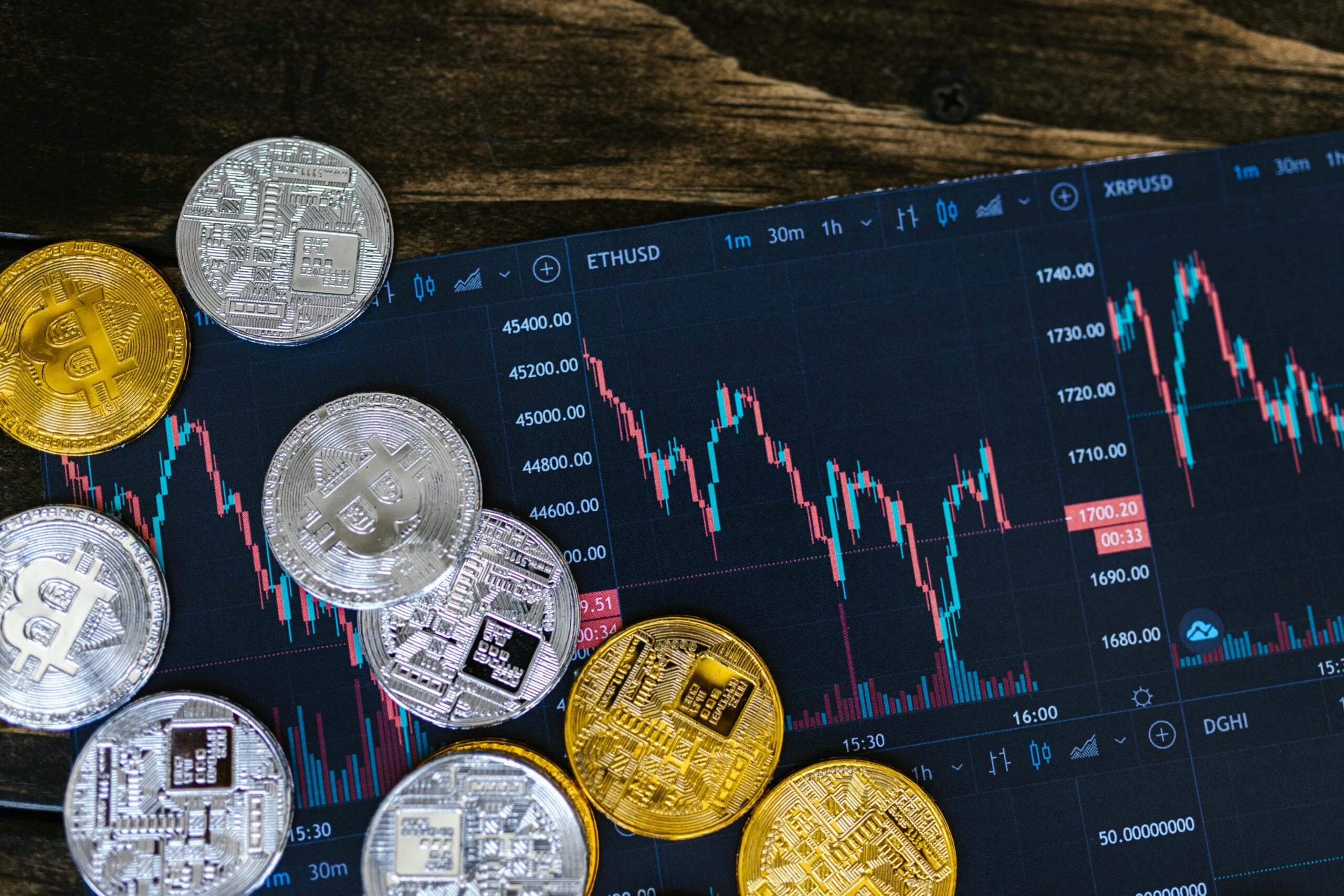
10. Technical Breakdown of the BTC Drop
From a chart perspective:
- Bitcoin broke below key levels near $70K
- Momentum turned bearish
- Selling volume increased
This suggests:
- Weak short-term sentiment
- Strong reaction to macro news
11. Key Support and Resistance Levels
Support
- $66,000
- $64,000
Resistance
- $70,000
- $72,000
If support breaks, further downside becomes possible.
12. Short-Term Outlook
Short-term direction depends on one thing:
Headlines.
Bearish Scenario
- Conflict escalates
- Oil continues rising
- Bitcoin drops below $65K
Bullish Scenario
- Diplomatic progress
- Oil stabilizes
- Bitcoin rebounds above $70K
13. Long-Term Bitcoin Thesis
Zoom out, and the bigger story remains intact.
Bitcoin still has:
- Fixed supply (21 million coins)
- Growing institutional adoption
- Increasing global awareness
Short-term volatility doesn’t change the long-term narrative—it just creates noise.
14. What Investors Should Watch
Here’s what matters next:
1. Geopolitical Developments
Any escalation or peace talks will move markets instantly.
2. Oil Prices
Higher oil = more pressure on crypto.
3. Federal Reserve Policy
Interest rates impact liquidity.
4. Market Sentiment
Fear vs greed drives short-term moves.
15. Final Thoughts
This wasn’t just a Bitcoin drop—it was a global macro reaction.
Bitcoin didn’t fall because of crypto fundamentals.
It fell because the world got more uncertain.
And that tells you everything you need to know:
Bitcoin is no longer isolated. It’s part of the global financial system.

Conclusion
The fall of Bitcoin alongside risky assets during Trump’s ultimatum to Iran is a clear reminder of how interconnected markets have become.
Bitcoin may one day act like true digital gold—but for now, it still behaves like a hybrid asset, reacting to fear just like stocks do.
So if you’re watching Bitcoin, don’t just watch the chart.
Watch the world.
Because that’s what the market is doing.
FAQs
1. Why did Bitcoin fall after Trump’s ultimatum to Iran?
Bitcoin dropped due to increased geopolitical tension, rising oil prices, and a global shift toward safer assets.
2. How does oil impact Bitcoin prices?
Higher oil prices raise inflation fears, which can reduce demand for risk assets like Bitcoin.
3. Is Bitcoin a safe haven asset?
Not consistently. It sometimes behaves like a risk asset during short-term uncertainty.
4. What are the key Bitcoin support levels now?
Important support levels are around $66,000 and $64,000.
5. Can Bitcoin recover after geopolitical drops?
Yes, historically, Bitcoin has rebounded once tensions ease and market sentiment improves.