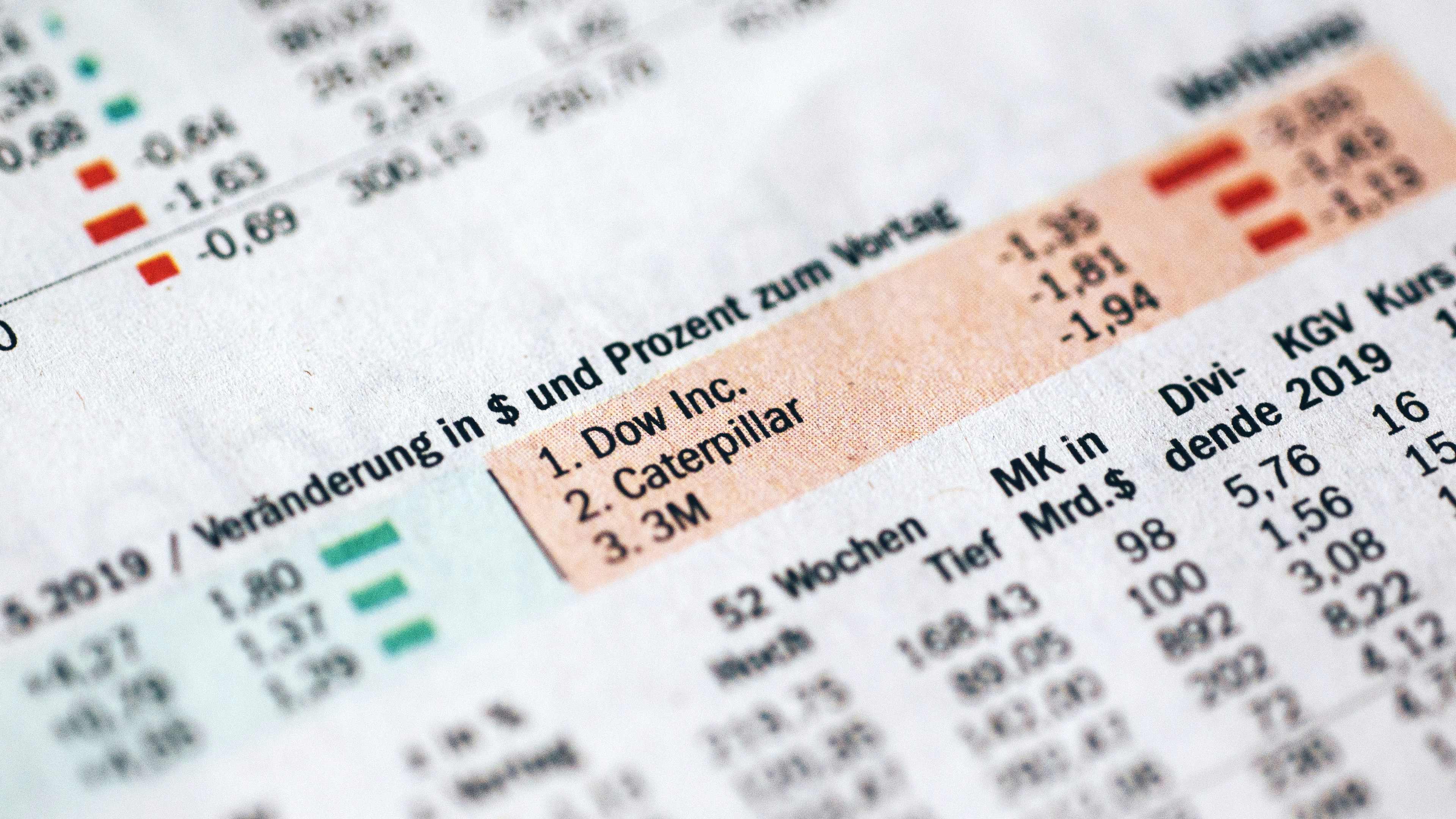

What is a Stock Split?
A stock split is a corporate action that increases the number of outstanding shares of a company while simultaneously decreasing the share price, leaving the overall market capitalization unchanged. This financial strategy is employed to improve liquidity, making shares more affordable for investors. When a company decides to split its stock, it typically does so in a set ratio, such as 2-for-1 or 3-for-2, which dictates how many new shares will be issued for every share owned by the shareholders. For instance, in a 2-for-1 split, every shareholder will receive an additional share for each share they currently hold, effectively halving the price per share.
Companies often opt for stock splits for several reasons. One primary motive is to enhance liquidity in the market. When the price of shares becomes too high, it can deter potential investors, limiting the pool of shareholders. By splitting the stock and making it more affordable, companies can attract a broader spectrum of investors, ranging from retail to institutional investors. Additionally, a lower share price may lead to increased trading activity, further enhancing liquidity.
Stock splits can be classified into two main types: forward splits and reverse splits. A forward split increases the number of shares, as previously described, while a reverse stock split consolidates shares to reduce the total number of outstanding shares. For example, in a 1-for-5 reverse split, shareholders will receive one share for every five shares they own, and the share price will typically increase accordingly. Both actions can have significant implications for shareholders, impacting their investment perspective and the perceived value of the company. Understanding these mechanics is fundamental for investors navigating the financial markets.
The Mechanics of the Meta Stock Split
Understanding the mechanics of the Meta stock split is essential for current and prospective investors. A stock split occurs when a company divides its existing shares into multiple new shares, effectively increasing the number of shares in circulation while maintaining the overall market capitalization. In the case of Meta, the announced stock split will operate on a ratio of 2-for-1, meaning that for every share an investor currently holds, they will receive an additional share. This adjustment not only lowers the share price but also maintains the proportional ownership that shareholders have in the company.
The timeline for this strategic maneuver is outlined in Meta’s recent announcements, with the split set to take effect on a specified date. Importantly, all shareholders on record as of the effective date will automatically receive the additional shares. This process is typically straightforward; the shares are adjusted in investors’ accounts without any required action on their part. For instance, if a shareholder owned 100 shares before the split, they would own 200 shares after its implementation, effectively doubling their share count while the total investment value remains unchanged.
Historically, stock splits have been received positively, especially in high-tech companies like Meta, as they often reflect a commitment to enhancing liquidity and making shares more accessible to a broader range of investors. Additionally, Meta has highlighted that this split aims to instill confidence among retail investors and attract new investment, creating a more favorable trading environment. The company anticipates that this change will foster long-term growth and align with its corporate strategy moving forward.
Impact on Investors and Market Perception
The recent Meta stock split has generated considerable discussion among investors and market analysts, prompting a closer examination of its implications on both investor sentiment and overall market dynamics. Typically, stock splits are viewed as a tactical decision by companies to enhance their stock’s affordability and to attract a wider base of investors. This can lead to heightened trading volumes, as more shares available at a lower price point can make the stock more accessible. The Meta stock split is expected to follow this historical trend, likely resulting in increased interest from prospective investors who may perceive it as a signal of confidence from the management.
For existing shareholders, the immediate aftermath of a stock split can usher in mixed reactions. While the total market value of their holdings remains unchanged, the fractional increase in share quantity often leads to an illusion of wealth, which can enhance market optimism. This newfound dynamics may induce current investors to hold their shares longer or even increase their positions, anticipating a potential rise in share prices as market sentiment generally leans towards positive outcomes following such corporate actions. Additionally, a well-executed stock split may lead to perceptions of the company’s growth trajectory, further boosting investor confidence.
On a broader scale, the Meta stock split’s impact may extend into the tech sector, potentially swaying related stock performance trends. As tech stocks often demonstrate intrinsic volatility, splits in larger market players can influence trading behavior across the sector. Market participants may draw correlations between Meta’s actions and those of similar tech firms, leading to shifts in investment strategies. Ultimately, the repercussions of a stock split on market sentiment reflect not only individual company performance but also encapsulate broader financial narratives that investors continuously analyze.
Future Outlook: What Comes After the Split?
The Meta stock split is not merely a structural adjustment; it symbolizes the company’s strategic intent to enhance its market positioning and foster a more robust growth trajectory. Following a stock split, companies often experience heightened liquidity and accessibility, allowing smaller investors to participate more readily while potentially attracting institutional interest. This dynamic does not only focus on immediate stock performance; it establishes a foundation for long-term growth prospects.
In the context of Meta, analysts anticipate that the company will leverage this split to implement innovative strategies aimed at expanding its influence across digital platforms. One of the main areas of focus will be on enhancing user engagement and experience in its core offerings, including social media, virtual reality, and augmented reality. With the growing emphasis on the metaverse, Meta’s commitment to investing in immersive technologies could significantly impact its overall competitive landscape.
Furthermore, market forecasts suggest that Meta may consider strategic acquisitions or partnerships to bolster its market presence post-split. Such maneuvers could complement its existing product lines and tap into new revenue streams, ultimately driving shareholder value. As the company navigates the evolving tech landscape, the alignment of its financial maneuver with its overarching vision to build interconnected digital experiences will be crucial.
Experts remain optimistic regarding Meta’s potential to create substantial value for investors through these post-split initiatives. However, they also advise caution, as market conditions can fluctuate, affecting the pace of execution and the realization of anticipated gains. As Meta embarks on this new chapter after the stock split, stakeholders will be keenly observing the implementation of its strategies and the tangible outcomes on stock performance and overall market positioning. In conclusion, the Meta stock split could serve as a pivotal moment, opening doors to significant growth opportunities that align with the company’s vision for the future.