Introduction to Bitcoin and Its Price Dynamics
Bitcoin, created in 2009 by an anonymous entity using the pseudonym Satoshi Nakamoto, is a decentralized digital currency that operates on a technology called blockchain. As the first cryptocurrency, Bitcoin has fundamentally altered the financial landscape and introduced a new paradigm for asset ownership and transactions. Unlike traditional currencies controlled by central banks, Bitcoin is not governed by a single entity, which contributes to its appeal among users seeking autonomy over their financial assets.
The price of Bitcoin is determined by various factors, including supply and demand dynamics, market sentiment, regulatory developments, and macroeconomic trends. Its decentralized nature means that price variations can occur rapidly, leading to both significant gains and considerable risks for investors. Throughout its history, Bitcoin has demonstrated remarkable volatility, characterized by dramatic fluctuations in its price over short periods. This volatility has attracted both speculative traders and long-term investors, adding to its allure as a digital asset.
Bitcoin’s price history showcases several landmark events that have influenced its trajectory. Notable milestones include the initial surge in value in late 2013, when it reached over $1,000 for the first time, followed by significant corrections that created a perception of uncertainty around the asset. The bull market of 2017 saw Bitcoin’s price skyrocket to nearly $20,000, captivating widespread attention and propelling discussions about cryptocurrencies into mainstream media. Since then, Bitcoin has experienced several market cycles, with varying highs and lows, contributing to its reputation as a volatile yet transformative financial asset.
Understanding the complex dynamics influencing Bitcoin’s price is essential for anyone interested in engaging with this unique digital asset. As we delve deeper into the various factors that contribute to price fluctuations, it becomes evident that Bitcoin’s journey is an ongoing and evolving narrative within the broader financial ecosystem.
Factors Influencing Bitcoin Price Fluctuations
The price of Bitcoin is influenced by a myriad of factors that combine to create a volatile trading environment. Market demand and supply serve as the foundational elements driving price changes. As interest in Bitcoin grows, whether from retail or institutional investors, an increase in demand often pushes the price higher, particularly when the supply remains constant or becomes constrained. Conversely, when selling pressure mounts, perhaps due to market sentiment turning negative, prices are likely to decrease.
External influences also wield significant power over Bitcoin’s price trajectory. Regulatory news can create substantial shifts in market confidence. For example, announcements of stricter regulations in key markets may lead to fear among investors, catalyzing sell-offs. Additionally, macroeconomic trends, such as inflation rates and currency fluctuations, can sway Bitcoin’s appeal as a store of value. In times of economic uncertainty, investors may flock to Bitcoin, viewing it as a hedging tool against traditional financial systems.
Technological advancements further complicate the picture. Improvements in blockchain technology or developments related to Bitcoin, such as enhancements in transaction efficiency, can bolster investor confidence. Moreover, the phenomenon known as Bitcoin halving significantly impacts price dynamics. Historically, after halving events, the reduction of new Bitcoin supply has led to price surges, partly due to heightened investor speculation and reduced availability in the market.
Nonetheless, it is crucial to acknowledge the psychological aspect of trading. Market sentiment and investor behavior play an integral role in price fluctuations. Speculative trading, fueled by social media buzz or macroeconomic forecasts, can lead to rapid price movements. Furthermore, institutional adoption is another potent factor; as more institutions allocate funds into Bitcoin, it may signal confidence and stability, thereby increasing its market value. Collectively, these elements create a complex network of influences that dictate Bitcoin’s fluctuating price in an ever-evolving market landscape.
Recent Trends and Price Prediction Models
Over the past few years, Bitcoin has experienced significant fluctuations in its price, driven by a combination of market dynamics, regulatory developments, and technological advancements. In the current environment, Bitcoin’s price has shown increased volatility, influenced by renewed interest from institutional investors and evolving market sentiment. As of 2023, the ongoing debate around cryptocurrency regulation continues to shape investor confidence, ultimately affecting Bitcoin’s market behavior.
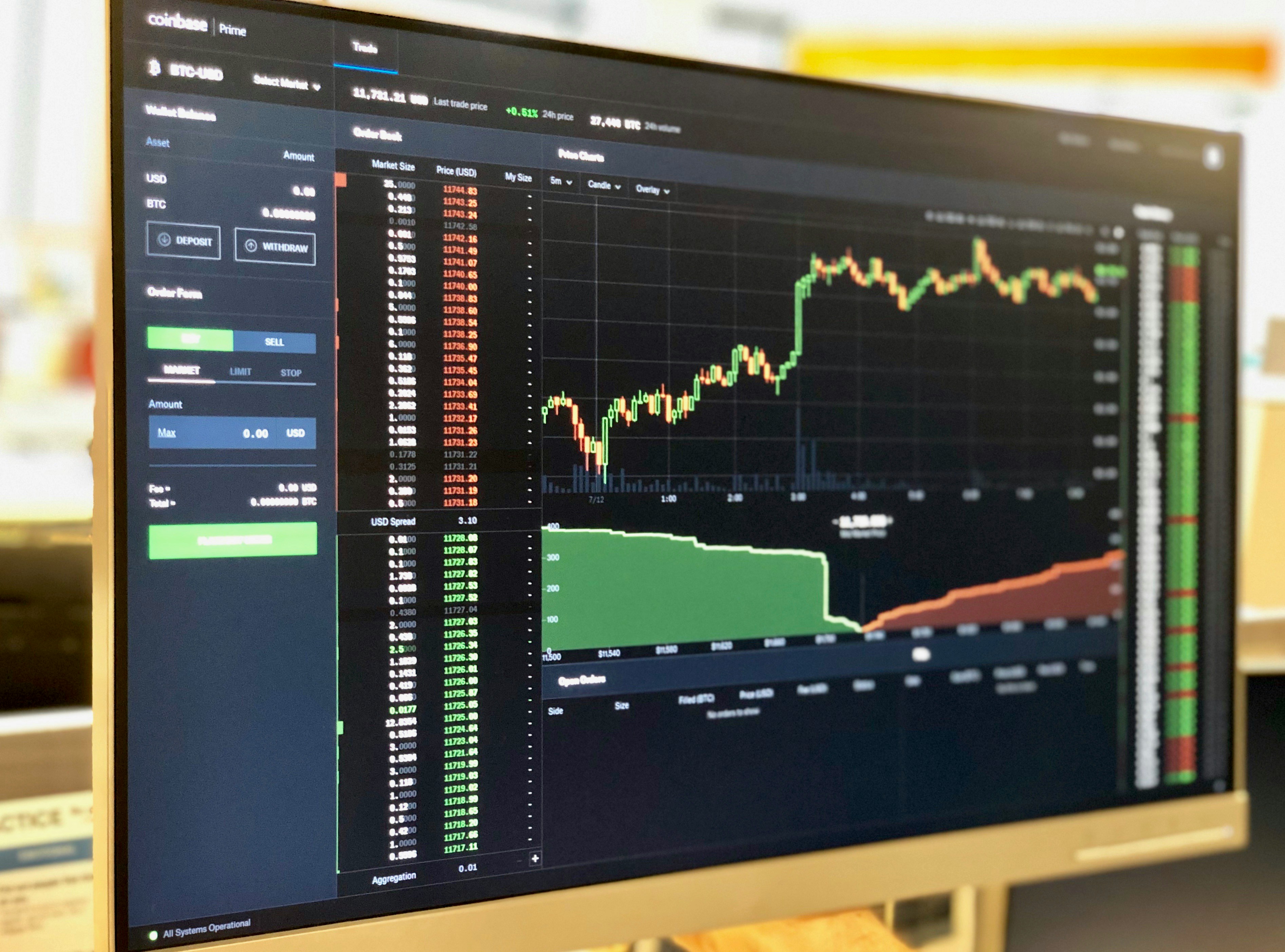
To effectively analyze Bitcoin’s pricing trends, various models and methodologies are employed by traders and analysts alike. Technical analysis plays a crucial role by utilizing historical price data and trading volumes to identify patterns and trends. Traders often rely on indicators such as moving averages and Relative Strength Index (RSI) to predict future price movements based on historical behavior. Additionally, chart patterns like head and shoulders or candlestick formations can provide forecasts for both short-term and long-term price actions.
Alongside technical analysis, blockchain data analysis has emerged as a significant factor in understanding Bitcoin dynamics. By examining on-chain metrics such as active addresses, transaction volume, and miner activity, analysts can gauge the health of the Bitcoin network. These metrics help predict price movements by indicating outstanding demand or supply conditions within the cryptocurrency ecosystem.
Investor sentiment analysis is another key aspect when assessing Bitcoin’s price predictions. This method incorporates social media activity, news sentiment, and market surveys to capture the collective mood of the investing community. Surveys revealing participant expectations regarding Bitcoin’s future can offer insights into potential price shifts, given that market psychology often drives trading behaviors.
Different predictions from industry experts present a range of outlooks for Bitcoin’s price trajectory. Some analysts remain optimistic, citing factors like increased institutional adoption and technological improvements, while others caution against potential bearish trends arising from regulatory challenges or market corrections. Understanding these diverse perspectives provides a more comprehensive view of Bitcoin’s potential pathways, reflecting the inherent uncertainty of forecasting cryptocurrency prices.
Conclusion: Investment Considerations and Future Outlook
As we navigate the complexities surrounding Bitcoin prices, it becomes evident that understanding the multitude of factors influencing this cryptocurrency is crucial for prospective investors. The dynamic nature of the cryptocurrency market demands a comprehensive grasp of trends, technological advancements, and macroeconomic indicators, all of which contribute to Bitcoin’s price fluctuations. This knowledge empowers investors to make informed decisions, reducing the potential for unforeseen losses.
Investing in Bitcoin presents both risks and rewards. On one hand, the potential for substantial returns exists, particularly in a market characterized by rapid growth and innovation. However, it is imperative to recognize the inherent volatility of Bitcoin, which can lead to significant declines in value over short periods. This volatility necessitates thorough research, risk assessment, and a tailored investment strategy aligned with an individual’s financial goals and risk tolerance.
Looking forward, Bitcoin’s future as an investment vehicle remains a topic of much speculation. Several analysts suggest that as mainstream acceptance of cryptocurrencies grows, Bitcoin could solidify its position within the financial ecosystem. However, potential regulatory changes and technological advancements could also reshape its landscape, presenting new challenges and opportunities. As such, individuals contemplating Bitcoin investment should continuously monitor market developments and remain adaptable to the evolving nature of the cryptocurrency landscape.
In conclusion, potential investors are encouraged to assess their investment strategies in light of the insights discussed. The importance of staying informed about Bitcoin’s trends, the factors that drive its price, and the broader economic environment cannot be overstated. By doing so, investors can position themselves to navigate the complexities of Bitcoin investment effectively, maximizing their potential for success while minimizing risks.