
Overview of Klarna and Its Business Model
Klarna, founded in 2005 in Stockholm, Sweden, has emerged as a leading player in the fintech industry, primarily recognized for its Buy Now Pay Later (BNPL) services. The company’s foundational aim was to simplify the purchasing process for consumers while providing merchants with a reliable payment solution. Over the years, Klarna has experienced a robust growth trajectory, establishing operations in numerous countries and enhancing its service offerings to meet evolving market demands.
At the core of Klarna’s business model lies its innovative payment solutions designed to benefit both consumers and merchants. By allowing users to make purchases and defer payments, Klarna democratizes access to financing for shoppers without the burdens of traditional credit options. Its customer-centric approach appeals particularly to younger demographics who seek flexible payment structures that enhance their shopping experience.
Klarna’s diverse range of payment solutions includes options such as Pay Later, Pay in Instalments, and direct payments, allowing for adaptability in consumer preferences. Each option is designed to provide seamless integration within the e-commerce environment, facilitating a frictionless checkout process. This agility not only boosts conversion rates for retailers but also garners consumer loyalty by enhancing their overall shopping experience.
The company’s competitive advantage is further reinforced through strategic partnerships with various online retailers, enabling Klarna to integrate its services into popular e-commerce platforms. These alliances significantly expand its reach and bolster its presence in the market. Additionally, Klarna leverages its vast data analytics capabilities, granting it insights into consumer behavior, which helps refine its offerings and drive personalized marketing strategies.
Recent Stock Performance Analysis
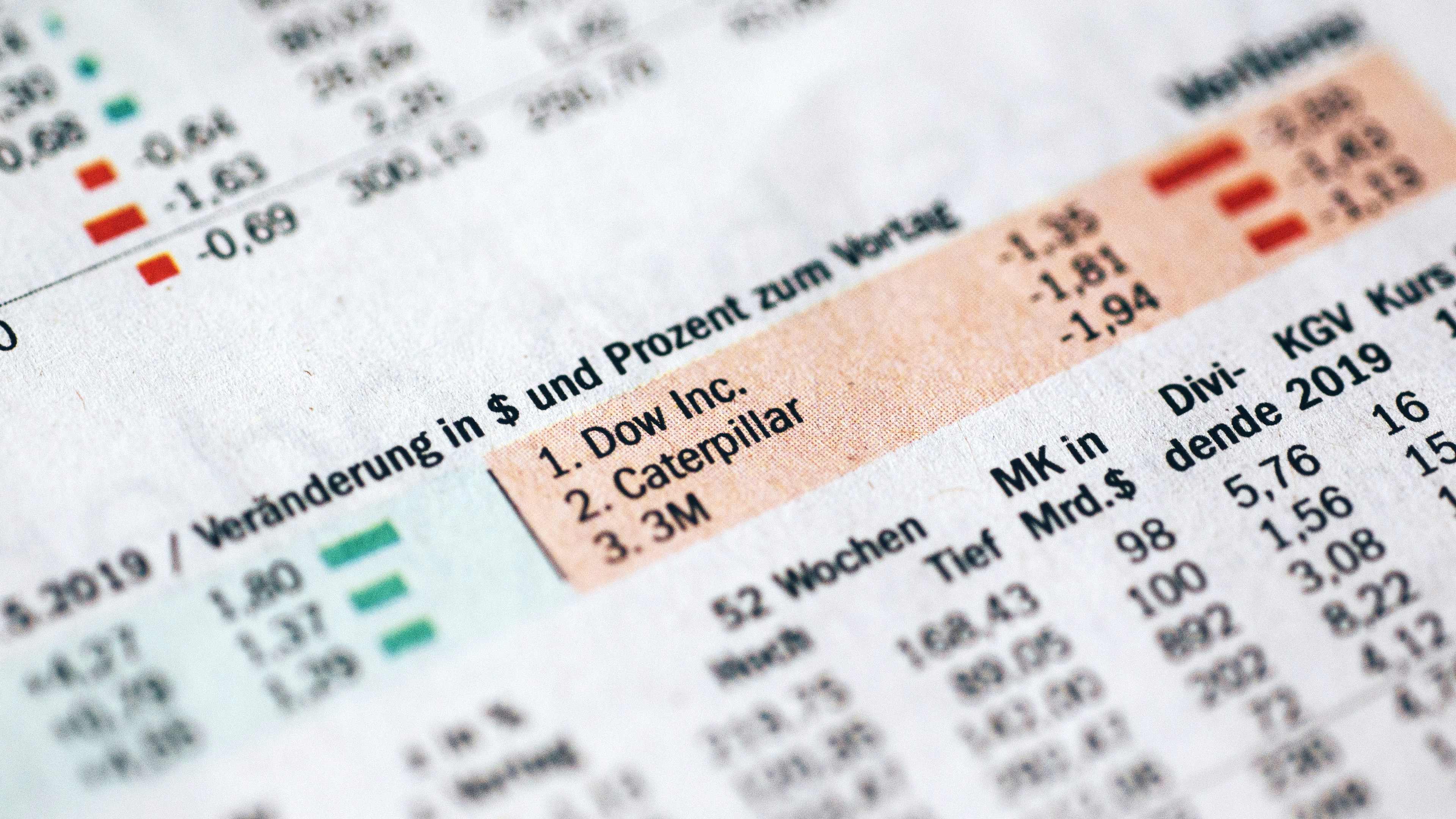
Klarna’s recent stock performance has drawn significant attention, reflective of its position within the evolving fintech landscape. Throughout the past year, the company’s share price has exhibited notable fluctuations, largely influenced by market sentiment, investor appetite, and macroeconomic indicators. Following its public listing, Klarna experienced an initial surge in stock price, driven by optimism surrounding its innovative payment solutions and rapid expansion strategies. However, this upward trajectory was met with resistance as broader market conditions exacerbated volatility in the technology and financial sectors.
Trading volumes for Klarna’s stock have varied considerably, often correlating with major announcements or quarterly earnings reports. In particular, fluctuations were noted after the release of quarterly earnings, where performance metrics either exceeded or fell short of analysts’ expectations. These reports provide critical insights into Klarna’s revenue growth and customer acquisition rates, essential factors that influence investor confidence and stock valuation. Furthermore, market trends regarding consumer spending and interest rates have exerted considerable influence on Klarna’s stock trajectory, as the company’s performance is closely tied to economic conditions impacting consumer behavior.
When comparing Klarna’s stock performance with other companies in the fintech sector, such as Affirm and PayPal, it becomes evident that while all entities share similarities, their market responses can differ due to unique operational strategies and customer demographics. For instance, Affirm’s stock also demonstrated volatility but was insulated through strategic partnerships and expansions in different markets. In contrast, Klarna’s ability to innovate within its niche—offering flexible payment options—positions it favorably among its competitors. Understanding these dynamics is crucial for assessing Klarna’s market standing and making informed investment decisions moving forward.
Influencing Factors on Klarna’s Market Valuation
Klarna, as a prominent player in the financial technology sector, has a market valuation significantly shaped by a myriad of internal and external influences. One major factor is regulatory changes within the fintech landscape, which can either bolster or hinder operations. Governments worldwide are continuously revising regulations to ensure safer and fairer practices in online banking and payment systems. Such legislative adjustments can influence Klarna’s strategic decisions and market positioning, affecting its overall stock performance as investors respond to changing legal frameworks.
Another critical aspect driving Klarna’s valuation is consumer trends, particularly the shift towards online shopping and alternative payment solutions. The rapid increase in e-commerce has fostered a growing demand for payment platforms that offer flexibility, such as buy-now-pay-later services. Klarna’s adaptation to these shifting consumer preferences plays a vital role in its growth trajectory. The ability to effectively meet evolving customer expectations can dramatically impact market confidence and investor interest.
Moreover, the competitive landscape within the fintech industry cannot be overlooked. Klarna faces rivalry from both established and emerging companies offering similar financial solutions. This competition forces Klarna to continually innovate and enhance its products and services. The market valuation is often influenced by how well Klarna responds to competitive pressures, with successful adaptations leading to heightened investor confidence.
Economic indicators also hold substantial sway over Klarna’s stock performance. Factors like interest rates, unemployment rates, and inflation influence consumer spending behaviors directly affecting Klarna’s operations. Investor sentiment, which fluctuates with global market conditions, greatly impacts Klarna’s market valuation as well. Consequently, understanding these influencing factors is paramount for assessing Klarna’s growth potential and overall financial health.
Future Projections and Investment Outlook
As analysts assess Klarna’s stock performance, the focus shifts towards its future performance and potential growth trajectory. Several experts have offered ratings reflecting varying degrees of optimism regarding Klarna’s position within the fintech landscape. These evaluations often consider the company’s ability to innovate and adapt in a rapidly evolving market. With a growing emphasis on consumer demand for flexible payment options, Klarna appears well-positioned to capitalize on emerging trends.
Projected earnings for Klarna indicate a potential upward trend, supported by the company’s strategic initiatives aimed at expanding its market presence. Analysts are closely monitoring Klarna’s ongoing efforts to enhance its product offerings and improve customer engagement through technology. These growth strategies may not only solidify its existing customer base but also attract new clients, thereby leading to an increase in market share. Furthermore, Klarna’s investment in data analytics and artificial intelligence is anticipated to boost operational efficiencies and personalize services, providing a competitive edge.
However, potential risks must also be acknowledged. Klarna faces competition from both traditional financial institutions and new entrants within the digital payment space. Investor sentiment could be affected by changes in regulatory frameworks, particularly as governments worldwide scrutinize fintech practices. Moreover, economic fluctuations, such as inflationary pressures or shifts in consumer spending habits, pose challenges that could hinder Klarna’s growth trajectory. It is crucial for investors to consider these factors in balance with the opportunities presented by Klarna’s innovative strategies.
In conclusion, while forecasts regarding Klarna’s growth suggest promising prospects, potential risks and challenges remain. Investors are advised to conduct thorough research and consider diverse opinions when evaluating Klarna as a viable investment opportunity in the future financial landscape.