
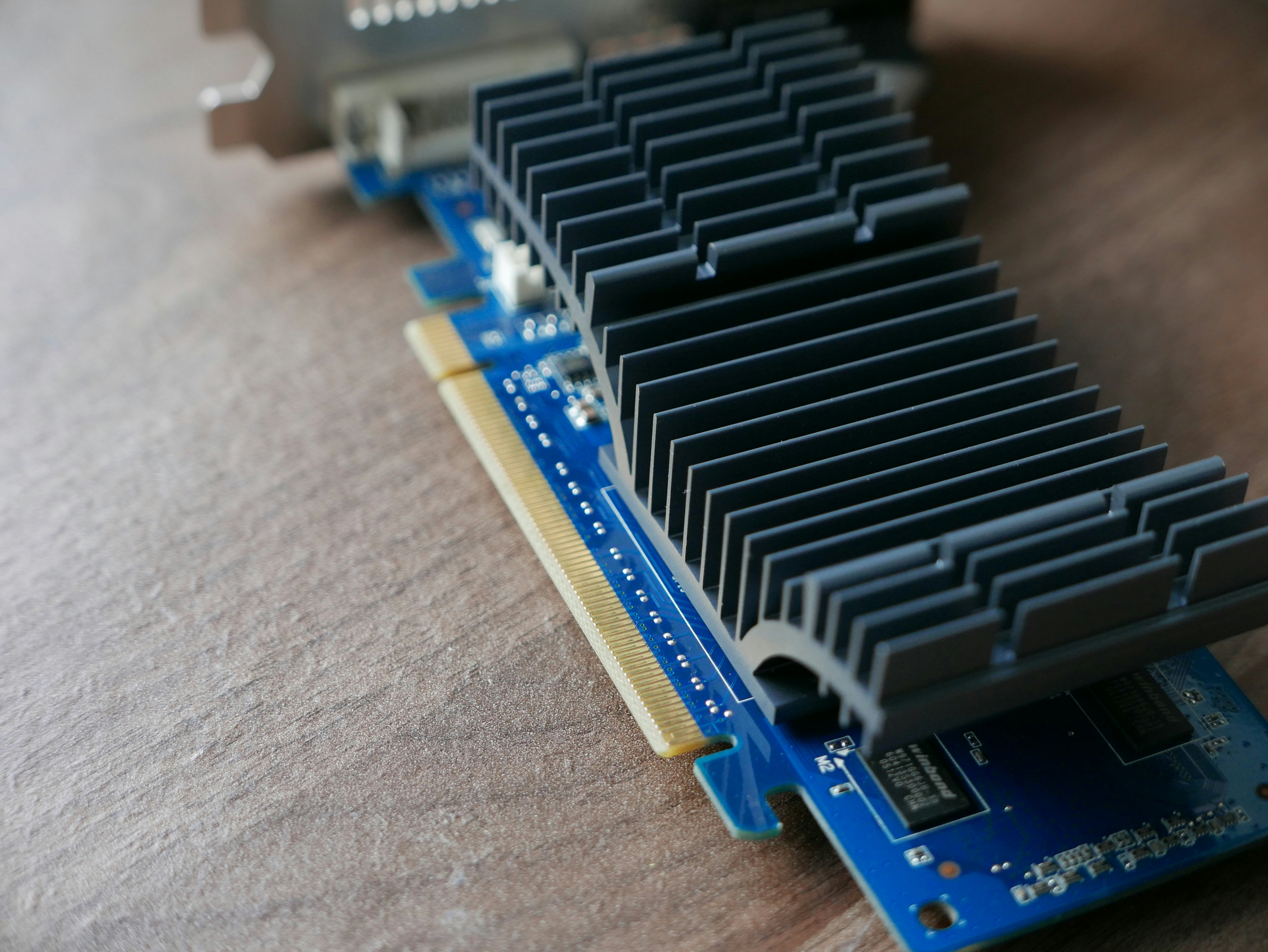
Introduction to NVIDIA: A Leader in Technology
NVIDIA Corporation, founded in 1993, has emerged as a preeminent player in the technology sector, particularly in the fields of graphics processing units (GPUs) and artificial intelligence (AI). The company initially gained recognition for its graphics cards designed for gaming but has since diversified its offerings to encompass a wide range of applications, including deep learning, machine learning, and visual computing. With a commitment to innovation, NVIDIA has consistently pushed the boundaries of technology, leading to significant advancements across various industries.
One of the defining milestones in NVIDIA’s journey was the launch of the GeForce 256 in 1999, which is often regarded as the world’s first GPU. This innovation not only revolutionized gaming but also set the stage for future developments in graphics technology. Following the success of the GeForce series, NVIDIA expanded its product line to include GPUs designed for professionals in fields like architecture, engineering, and scientific visualization through its Quadro line. This diversification paved the way for NVIDIA’s influence in sectors beyond gaming, showcasing its technological prowess.
Moreover, NVIDIA’s foray into AI technology through the introduction of the CUDA programming model in 2006 marked another critical turning point. This model allowed developers to harness the immense parallel processing power of GPUs, transforming them into powerful tools for AI research and applications. The company’s strategic partnerships with industry leaders, such as collaborations with major cloud service providers, have further enhanced its market position, facilitating the adoption of its GPU technology in AI workloads.
As NVIDIA continues to innovate, its recent advancements in AI and machine learning, particularly with the introduction of the A100 GPU, highlight its substantial role in shaping the future of technology. The company remains a pioneer in harnessing the power of graphics processing to address pressing challenges in computing, showcasing its evolution from a gaming hardware provider to a vital contributor in the realms of AI and data science.
Current Market Trends Driving NVIDIA Stock
In recent months, several market trends have significantly influenced NVIDIA stock, positioning the company as a key player in the technology sector. One of the most prominent factors is the growing demand for gaming technology. The gaming industry has experienced a remarkable surge, driven by advancements in graphics performance and the popularity of immersive experiences. As a leading producer of graphics processing units (GPUs), NVIDIA has benefitted from this trend, with its products becoming increasingly essential for high-performance gaming systems. The introduction of new gaming titles that require advanced graphics capabilities further fuels this increasing demand, positively impacting NVIDIA’s stock performance.
Another critical trend driving NVIDIA stock is the explosive growth of GPU usage in artificial intelligence (AI) applications. As AI continues to evolve, more organizations are investing in technology that supports machine learning and deep learning processes. NVIDIA’s GPUs are instrumental in accelerating these AI workloads, leading to substantial partnerships with major tech companies that seek to enhance their computing capabilities. The strategic alignment of NVIDIA’s products with AI advancements has consolidated its reputation as a leader in this burgeoning field, contributing to its stock’s upward trajectory.
Moreover, there is a heightened focus on data centers and cloud computing, significantly influencing NVIDIA’s market position. As businesses increasingly migrate to cloud-based infrastructures, the demand for powerful GPUs in data centers has soared. NVIDIA has recognized this opportunity and has integrated its technologies to meet the evolving needs of cloud service providers. This strategic pivot allows NVIDIA to capitalize on the expanding data center market, leading to a favorable outlook for its stock performance. The convergence of these trends has not only reinforced NVIDIA’s standing in the market but has also attracted considerable attention from investors looking to capitalize on future growth potential.
Financial Performance and Stock Analysis
NVIDIA has consistently demonstrated strong financial performance, underlining its status as a leading player in the semiconductor and technology sector. The company has witnessed robust revenue growth, largely stimulated by the increasing demand for graphics processing units (GPUs), particularly in gaming, data centers, and artificial intelligence applications. In its recent earnings reports, NVIDIA reported a significant year-over-year increase in revenue, reflecting a solid expansion strategy and effective market positioning.
Profit margins have also remained impressive, with NVIDIA frequently achieving gross margins above 60%. This high profitability can be attributed to efficient cost management and a keen focus on high-margin products, which have bolstered their competitive edge against rivals such as AMD and Intel. By analyzing key financial ratios, including the price-to-earnings (P/E) ratio and return on equity (ROE), investors can gain insights into NVIDIA’s valuation compared to its competitors. The company’s current P/E ratio suggests strong future growth expectations, which could be appealing for growth-focused investors.
Furthermore, when evaluating financial health, metrics like the debt-to-equity ratio indicate a well-managed balance sheet. NVIDIA has maintained a conservative approach to leverage, ensuring it can invest in innovation without overextending its financial commitments. The implications of this robust financial data for stock valuation are significant; many analysts believe that NVIDIA possesses a strong earnings potential, particularly as it continues to capitalize on trends in AI and machine learning. Overall, NVIDIA’s financial resilience and proactive growth strategies enhance its attractiveness as an investment option within the tech industry.
Future Outlook: Risks and Opportunities for NVIDIA Stock
The future outlook for NVIDIA stock presents a landscape filled with both opportunities and inherent risks that investors should carefully evaluate. As NVIDIA continues to solidify its position as a leader in sectors such as artificial intelligence, gaming, and data centers, analysts anticipate considerable growth potential. The increasing applications of graphics processing units (GPUs) in machine learning and deep learning are expected to further enhance the demand for NVIDIA’s cutting-edge technology, making it an appealing prospect in the evolving tech industry.
One of the primary opportunities for NVIDIA stock stems from the surge in cloud computing and the corresponding need for advanced hardware solutions. In recent years, there has been a marked increase in companies migrating their operations to the cloud. This transition not only heightens the demand for high-performance GPUs for data processing but also positions NVIDIA as a vital partner to major cloud service providers. Moreover, the company’s commitment to innovation, demonstrated by ongoing investments in research and development, showcases its determination to stay ahead in this competitive arena.
However, potential risks must also be considered when analyzing the future of NVIDIA stock. Regulatory scrutiny surrounding the acquisition of Arm Holdings has raised concerns about potential antitrust implications that could impede growth. Additionally, fluctuations in the semiconductor market may pose supply chain constraints, affecting production capabilities. Market volatility stemming from geopolitical tensions and shifts in international trade policies can also impact NVIDIA’s operations and profitability.
Expert opinions vary, with some analysts remaining bullish on NVIDIA stock, while others emphasize caution due to external economic factors. For investors looking to engage with NVIDIA stock in the coming years, a diversified investment strategy that incorporates an understanding of both market trends and potential pitfalls will be essential to navigate this dynamic landscape effectively.