What Is a Stock Split?
A stock split is a corporate action that divides an existing share into multiple shares, increasing the total number of shares while maintaining the overall market capitalization of the company. For example, in a typical 2-for-1 stock split, each existing share is divided into two shares, effectively halving the share price while doubling the number of shares held by investors. This process does not alter the company’s market value; instead, it redistributes equity among a larger number of shares. The dilution of individual share price makes ownership appear more accessible to retail investors.
Companies often opt for stock splits for various reasons. One primary reason is to lower the share price to a more attractive level for smaller investors, thus potentially increasing demand. Shares that are perceived as being too expensive can deter buying, leading to a segmented investor pool. Following a split, stock prices typically become more affordable, which can lead to increased trading volume and liquidity, benefiting both the company and existing shareholders.
There are several types of stock splits, including forward splits and reverse splits. A forward split, as described, increases the number of outstanding shares. In contrast, a reverse split consolidates shares, reducing their number while typically increasing the individual share price, often used by companies seeking to maintain or comply with listing requirements on stock exchanges.
When a stock split occurs, the total market capitalization of the company remains the same; however, the distribution of shares changes, which can significantly impact shareholder perception and investment behavior. Shareholders do not experience any immediate financial gain from a split, but it can enhance the stock’s usability and visibility in the market, potentially leading to long-term value appreciation. Understanding these dynamics is crucial for investors looking to navigate stock splits effectively.
The History and Context of GameStop’s GME Stock Split
GameStop Corp., founded in 1984, has a long and complex history. Initially, the company made its mark as a brick-and-mortar video game retailer. However, as consumer preferences shifted towards digital gaming and e-commerce, GameStop faced significant financial challenges, exacerbated by a declining retail sector. This struggle was compounded by the rise of online competitors, which resulted in waning sales and a decreasing market presence.
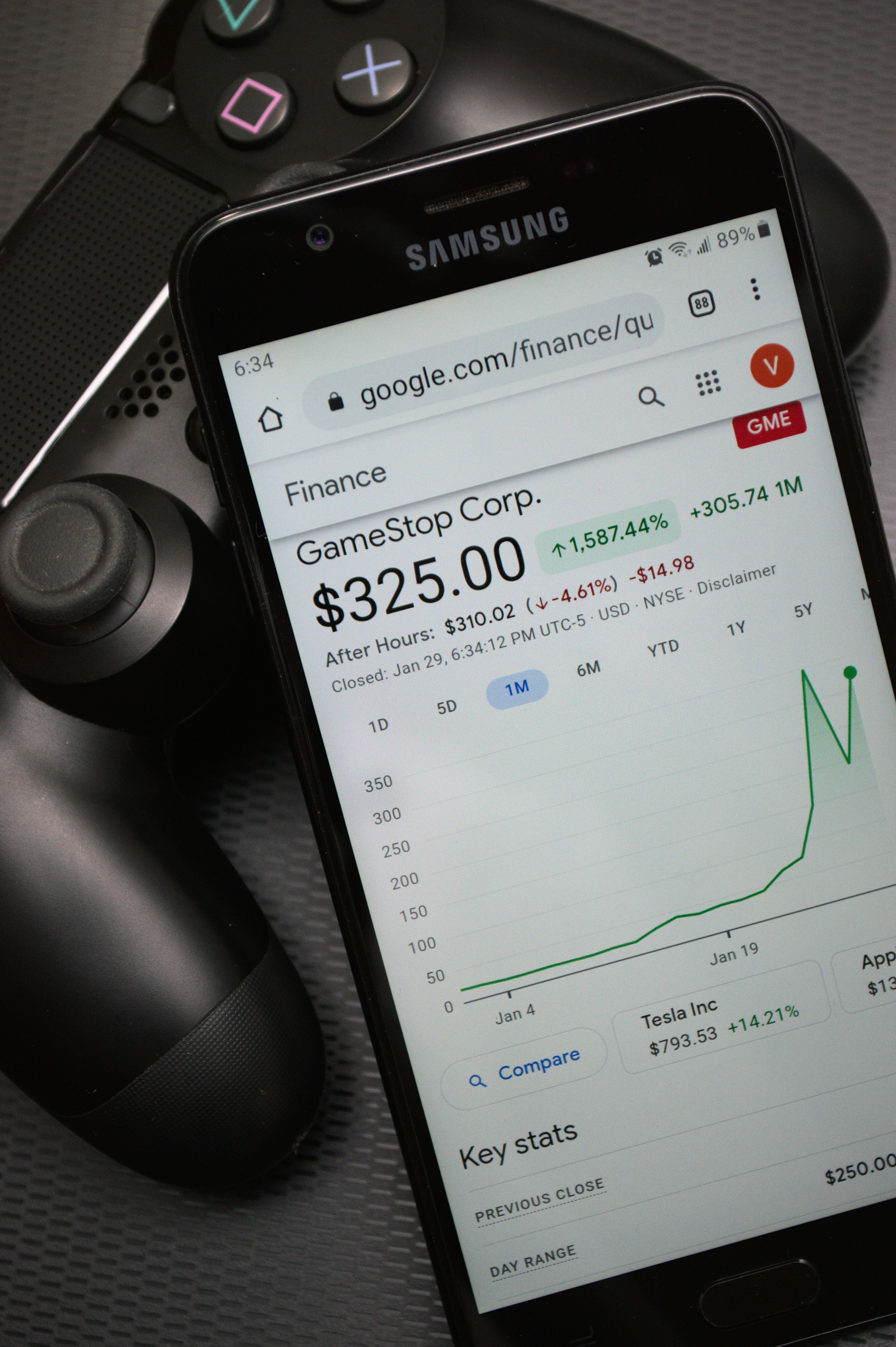
In early 2021, GameStop became the center of a historical stock market phenomenon driven by retail investors from online forums, particularly Reddit’s WallStreetBets community. This “meme stock” event saw GameStop’s shares skyrocketing from approximately $20 to an astonishing peak of nearly $483 within weeks. The surge attracted widespread media coverage, converting a struggling retailer into a symbol of retail investor power against institutional short-sellers. Despite this short-lived spike, the volatility highlighted the company’s precarious financial status and the challenges it faced in sustaining long-term growth.
In response to these challenges, GameStop’s management began implementing a strategic transformation. This included appointing a new board of directors, which featured leaders from the technology sector, and pivoting towards an e-commerce-driven business model. Enhancing the online customer experience and expanding product offerings were pivotal to their strategy, alongside a comprehensive digital transformation plan. The decision to initiate a stock split in 2022, which aimed to make shares more accessible to a wider range of investors, was ultimately part of a broader initiative to revitalize GameStop’s brand and market presence. This strategic maneuver not only improved liquidity but also reflected GameStop’s commitment to adapting to contemporary market demands and investor sentiments.
Impact of the GME Stock Split on Investors
The GME stock split represents a significant event in the life of GameStop as a publicly traded company, marking a transformative change in the share structure that directly impacts current and prospective investors. A stock split, specifically in the case of GameStop, could lead to changes in share price, trading volume, and investor sentiment. As shares are divided into smaller units, the nominal value of each individual share decreases, making it more affordable for a wider pool of investors. This can stimulate increased interest in the stock, potentially driving up trading volumes as more investors feel inclined to buy shares.
One of the immediate effects of a stock split is the psychological impact it has on market participants. Research indicates that stock splits can create a perception of increased value and can rejuvenate interest from retail investors. This phenomenon can lead to heightened demand in the short term. However, it is crucial for both long-term and short-term investors to approach the split with an understanding of its implications. For short-term investors, the potential for a quick increase in share price may be appealing, while long-term investors should take a more measured perspective, focusing on the company’s fundamentals rather than the split itself.
It is important to consider that while a stock split does not inherently create value, it may alter the perception of the company in the eyes of the market. For those invested in GME or looking to invest, the stock split could open up new trading strategies and provide an opportunity to reassess portfolios. Adapting strategies to the new share structure will be crucial as investors navigate these changes. Ultimately, being informed about the distinctions between long-term and short-term investments in relation to stock splits can empower investors to make decisions that align with their financial goals.
Looking Ahead: What’s Next for GME After the Stock Split?
As GameStop navigates its post-stock split landscape, investors are keenly interested in how this strategic decision will influence its market positioning and financial trajectory. The stock split may serve as a catalyst for new investments and greater accessibility for retail investors, potentially enhancing liquidity in GME shares. This restructuring, aimed at increasing the number of shares available, can often lead to heightened market interest, a phenomenon that has previously been observed in similar scenarios across various sectors.
Forecasting GameStop’s financial performance post-split involves examining the underlying strength of its business model and its adaptability in a rapidly evolving retail environment. Analysts suggest that GameStop’s transition toward a digital-centric strategy could yield favorable results. This shift is essential not only in gaming but also in e-commerce sectors. As traditional retail faces challenges, GameStop’s commitment to embracing new technologies and platforms position it to capture a wider audience.
Moreover, the competitive landscape shows promising growth opportunities. Over the next few quarters, GameStop may leverage partnerships and collaborations with gaming developers and technology innovators to enhance its product offerings. By catering to the rising demand for digital content and cloud gaming, the company could bolster its revenue streams and customer engagement. Market trends indicate a growing appetite for gaming experiences, which may favor GameStop’s unique positioning as a retailer specialized in gaming products.
Expert opinions suggest that investor sentiment will play a critical role as well. Enhanced communication from GameStop about its future vision could instill confidence among shareholders and attract new investors looking for growth in the gaming sector. Ultimately, the road ahead for GameStop appears to be shaped by not only strategic decisions post-stock split but also by broader market dynamics and consumer trends.