Understanding U.S. Tariffs and Their Impact on Ireland
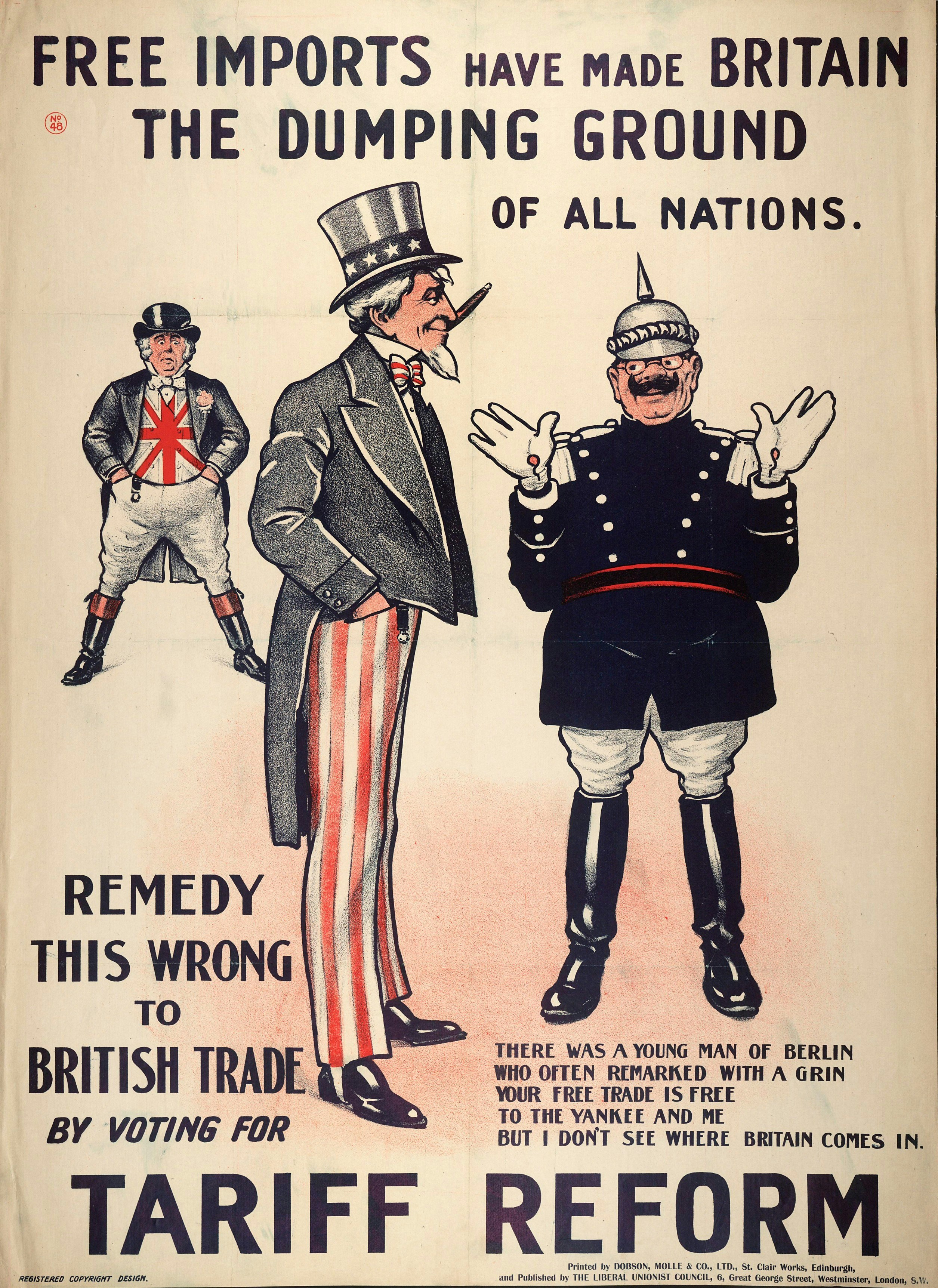
The implementation of U.S. tariffs has historically played a significant role in shaping economic interactions between the United States and Ireland. In various instances, tariff policies have been utilized as tools for protecting domestic industries, but they often carry unintended consequences for international partners, particularly nations like Ireland which maintain a close economic relationship with the U.S.
Irish businesses, especially those in sectors such as agriculture, technology, and pharmaceuticals, have faced numerous challenges due to U.S. tariffs. For example, tariffs imposed on specific agricultural products have adversely affected Irish dairy and beef exporters, leading to increased costs and reduced market access in one of their primary export destinations. This has not only hampered revenue generation for these businesses but has also created tension within the broader U.S.-Ireland trade relations.
The economic repercussions have extended beyond individual sectors. The uncertainty surrounding tariff regulations has contributed to a cautious investment climate, where businesses hesitate to commit resources in anticipation of possible changes in trade policy. This phenomenon occurs frequently during fluctuating political climates and can stall projects that would otherwise foster economic growth and enhance bilateral ties.
On a broader scale, tariffs can disrupt established trade relationships and impact the collective strategies of countries involved in international trade networks. For Ireland, whose economy is heavily reliant on both exports and foreign direct investment, the implications of U.S. tariff policies can reverberate throughout its economy. Thus, monitoring and understanding U.S. tariff practices is essential for Irish policymakers and businesses alike, as it will inform their strategic responses and help to mitigate risks tied to international market fluctuations.
Recent Developments in U.S. Tax Risks: What Goodbody Reports
The latest insights from Goodbody highlight a notable shift in the landscape of U.S. tax risks, particularly as they relate to Ireland. Recent analyses suggest that the easing of these risks may foster a more favorable environment for Irish businesses and investors. Goodbody attributes this easing to several key factors, including legislative changes and shifts in U.S. economic policies aimed at promoting international trade and investment.
One of the significant developments is the U.S. Administration’s commitment to reducing barriers for foreign investments. This has led to clearer tax frameworks, which facilitate cross-border commerce and could potentially lead to enhanced economic collaborations between the U.S. and Ireland. Goodbody’s findings point out that the clarity in tax regulations reduces uncertainty, which has historically been a concern for Irish enterprises operating in the U.S. market.
Irish businesses have expressed optimism regarding these changes. The reduced complexity surrounding taxation and a more predictable regulatory environment allow firms to strategize better, securing investments and planning for future expansions in the U.S. market. This sentiment underscores the broader implications of U.S. tax reforms on transatlantic trade, suggesting a potential resurgence in investments and collaborations between Ireland and the U.S.
Moreover, the analysis points to a strengthening of U.S.-Ireland relations, with potential long-term effects on economic growth and bilateral cooperation. The improved tax landscape could attract more U.S.-based companies to establish operations in Ireland, creating jobs and stimulating local economies. While challenges may still exist, Goodbody’s report emphasizes that the current trajectory appears promising for the future of U.S.–EU economic partnerships.
Potential Positive Outcomes for U.S.-EU Relations
The recent easing of U.S. tariff and tax risks is widely regarded as a constructive development for U.S.-EU relations, potentially paving the way for enhanced economic collaboration. With the reduction of trade barriers, both regions can expect an increase in cross-border trade, which is essential for economic growth and job creation. The elimination or reduction of tariffs signifies a commitment to open markets, providing opportunities for businesses on both sides of the Atlantic to expand their operations and innovate.
Furthermore, this reconfiguration of trade dynamics between the U.S. and the EU may lead to a more integrated economy. As tariffs diminish, companies will likely invest more in partnerships and joint ventures, facilitating a robust exchange of goods and services. This economic integration can also encourage the sharing of technology and best practices, bolstering productivity across industries. Manufacturers, service providers, and consumers alike stand to benefit from improved access to a broader array of products at competitive prices.
The geopolitical implications of this tariff easing are profound, positioning the U.S. and the EU as collaborative partners rather than adversaries. Strengthening economic ties can help address mutual concerns such as climate change, security, and digital trade governance. This aligns with a trend where nations seek to cooperate on global platforms, enhancing their influence on issues that transcend national borders.
Additionally, this development can set a positive precedent for future trade negotiations. By demonstrating a willingness to reduce barriers, the U.S. may encourage the EU to reciprocate, thus fostering a more balanced trade relationship. The easing of tariff and tax risks signals to policymakers that both sides are prepared to engage in constructive dialogues aimed at realizing mutual economic goals, potentially leading to more comprehensive trade agreements in the future.
Conclusion: Looking Forward for Ireland and the U.S.-EU Trade Dynamic
In evaluating the easing of U.S. tariff and tax risks, it becomes evident that a significant shift in U.S.-Ireland and U.S.-EU relations may be on the horizon. The reduction of tariffs could lead to enhanced bilateral trade, offering Ireland a critical opportunity to strengthen its economic ties with the United States. This evolving dynamic is especially pertinent in the context of the ongoing global trade landscape, where countries are increasingly seeking favorable trade agreements to bolster their economic prospects.
As the U.S. looks to reassess its trade policies, the potential for deeper cooperation between the U.S. and EU members, particularly Ireland, remains promising. A collaborative approach could yield substantial benefits, not only in terms of trade volumes but also in fostering innovation and creating a more competitive market landscape. Irish businesses may find themselves better positioned to access U.S. markets, thus enhancing their export capabilities and generating opportunities for growth.
However, alongside these opportunities lie inherent risks. The fluctuating nature of international policies can give rise to uncertainty, emphasizing the need for Ireland to maintain a proactive approach in navigating potential challenges. For instance, any resurgence of protectionism or unilateral measures from the U.S. could hinder the positive trajectory of trade relations. Hence, keeping a keen eye on economic indicators and political developments will be crucial for sustaining the benefits of reduced tariffs.
Considering these factors, the path ahead seems laden with both opportunities and challenges for Ireland in the context of U.S.-EU relations. A strategic focus will be essential to leverage the advantages presented by the current economic climate while mitigating risks associated with trade dynamics. Continuous engagement and negotiation will likely shape the future landscape of international alliances in which Ireland plays a significant role.