
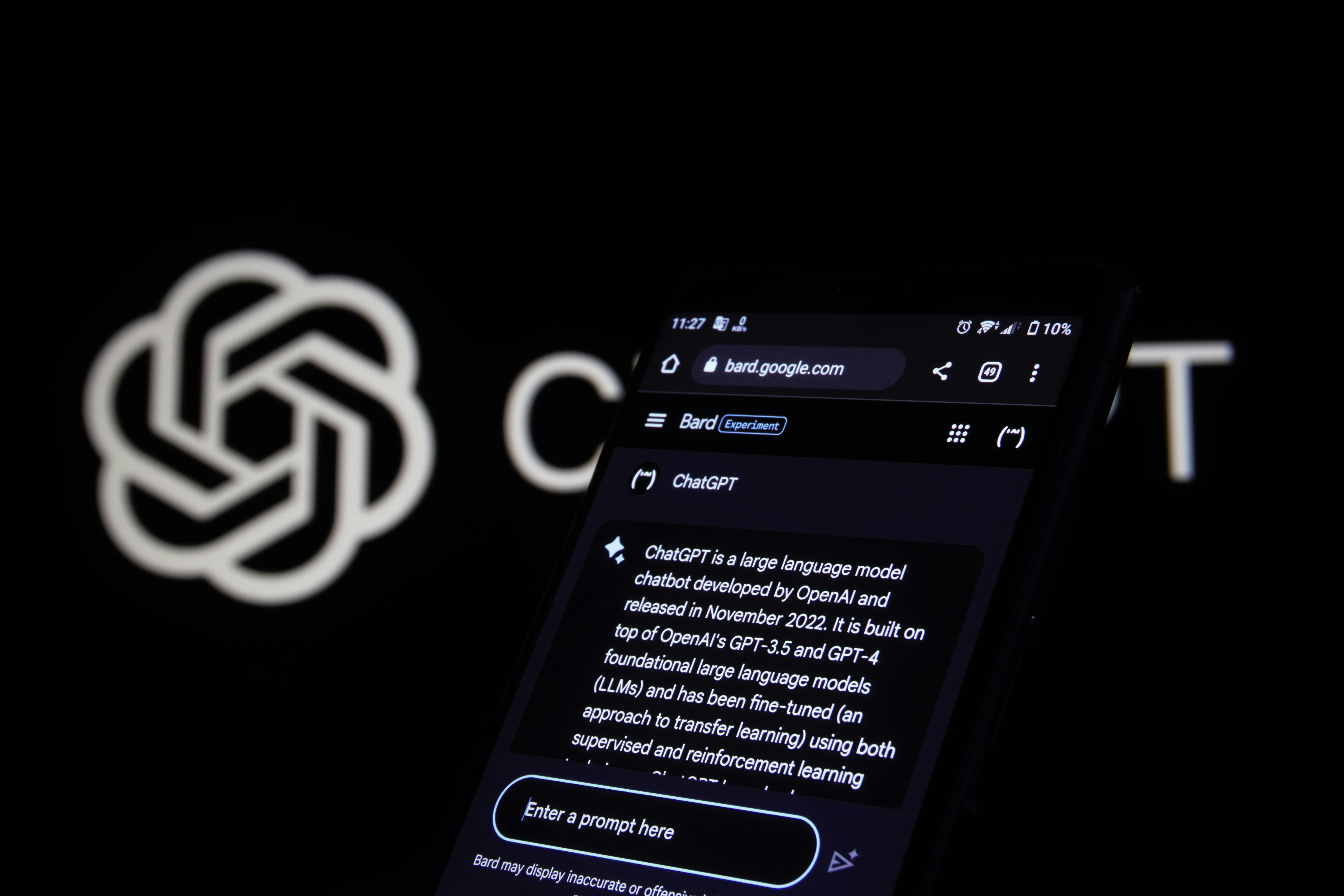
Introduction to ChatGPT’s Web Browser
The recent release of ChatGPT’s web browser marks a significant advancement in the realm of internet browsing technologies. Equipped with innovative features, this browser is designed to improve user experience while simultaneously incorporating artificial intelligence to enhance functionality. One of its most notable attributes is the ability to integrate conversational AI seamlessly within the browsing experience. This innovation allows users to interact with the browser using natural language, thus making the process of searching for information more intuitive and personalized.
Unlike traditional web browsers, which primarily focus on navigation and displaying web content, ChatGPT’s browser leverages advanced algorithms to understand user queries better. It provides suggestions and answers based on the user’s intent, thereby going beyond basic keyword searches. Furthermore, the incorporation of learning mechanisms enables the browser to adapt to individual preferences over time, leading to a more tailored browsing experience. This capability positions ChatGPT’s browser not only as a tool for accessing the internet but also as a virtual companion that prioritizes user engagement.
Additionally, the architecture of the browser emphasizes privacy and security, crucial aspects that are often concerns for online users. Utilizing state-of-the-art encryption technologies, ChatGPT ensures that user data is protected from unauthorized access while browsing. This commitment to safeguarding personal information sets it apart from many existing browsers in the market, which may not provide robust privacy features. Overall, this web browser represents not just a technological leap but an evolving platform that seeks to redefine how users interact with the online world.
Expert Opinions on the Browser
The recent release of ChatGPT’s web browser has sparked a notable discussion among technology experts, capturing both excitement and skepticism. Many industry professionals praise the browser for its integration with AI capabilities, which could vastly enhance user experiences through personalized browsing and instant information retrieval. The ability to interact with the web in a conversational manner is seen as a significant leap forward, especially for users who may struggle with traditional search engines. This feature offers an intuitive way to access information, bridging the gap between human inquiry and machine understanding.
However, alongside this enthusiasm, experts also raise important considerations regarding the potential risks associated with adopting the browser. One primary concern is the issue of privacy and data security. As the browser collects and processes user information to tailor content and responses, there is apprehension about how this data is handled, stored, and potentially shared. Industry analysts suggest that users should remain vigilant about the information they share while using the browser, given the rising concerns surrounding digital privacy rights.
Further, experts highlight the risk of misinformation. While ChatGPT’s web browser is designed to fetch and disseminate information quickly, there is an inherent challenge in ensuring the accuracy of that information. Users relying solely on AI to navigate the vast ocean of online content may inadvertently expose themselves to unreliable sources. Experts advise a cautious approach, encouraging users to cross-reference information retrieved from the browser with reputable sources to mitigate the risks of misinformation.
In summary, while the ChatGPT web browser offers innovative features that can transform online interactions, it is essential for users to remain informed about the associated risks. Balancing the excitement of new technology with a critical understanding of its implications will be key to navigating this evolving landscape.
Practical Tips for Using the ChatGPT Web Browser Safely
As the ChatGPT web browser becomes an integral tool for users looking to harness AI capabilities in their online activities, it is essential to prioritize safety and security while navigating this innovative interface. Adopting practical strategies will not only enhance user experience but also mitigate potential risks associated with online browsing.
First and foremost, users should ensure they are employing a secure internet connection. Utilizing a Virtual Private Network (VPN) can add an extra layer of protection, ensuring that your online activities are private and encrypted. Additionally, staying connected to a trusted Wi-Fi network is crucial. Public hotspots can expose devices to vulnerabilities, making it easier for malicious actors to access personal information.
Another vital aspect of safe browsing involves managing privacy settings. Users should take the time to familiarize themselves with the browser’s privacy features, including cookie management and tracking preferences. Adjusting these settings can help curate a safer environment, minimizing exposure to unwanted data collection. Furthermore, using incognito or private browsing modes when necessary adds an additional level of discretion.
Regular updates of both the web browser and the operating system are essential to maintaining security. Updates often include patches for technical vulnerabilities; without them, users are at a greater risk of encountering cyber threats. Alongside this, practicing good password hygiene cannot be overstated. Employing unique, complex passwords for different accounts and utilizing a password manager can significantly reduce the risk of account breaches.
Finally, it is beneficial to remain aware of potential phishing attempts. Users should exercise caution when clicking on links or downloading attachments from unfamiliar sources. By leveraging awareness, users can better navigate the ChatGPT web browser while safeguarding their information and overall browsing experience. With informed practices, the innovative features offered can be fully utilized while minimizing risks.
Future Implications and Developments
The introduction of ChatGPT’s web browser represents a significant evolution in the way users interact with the internet. As artificial intelligence continues to integrate more deeply into everyday applications, the future implications of ChatGPT’s web browsing capabilities will reshape user behavior and expectations. One of the most notable anticipated developments is the enhancement of personalized browsing experiences. By leveraging AI algorithms, future iterations will likely offer users tailored content suggestions based on their interests and previous browsing history. This personalization could not only streamline the process of finding relevant information but also increase overall user engagement.
Moreover, we can expect advancements in features that prioritize user convenience, such as improved voice recognition capabilities and intuitive navigation tools designed for seamless multitasking. These improvements would facilitate a more efficient browsing process, aligning with the growing demand for faster, more responsive web interactions. Additionally, as competition in the digital landscape intensifies, ChatGPT’s web browser may also integrate complementary tools, such as enhanced bookmarking systems and AI-driven content summarization services, to capture a wider audience.
However, along with these innovations, considerations regarding privacy and security will remain paramount. Users will need assurances that their data is protected as these technologies become increasingly sophisticated. The implementation of robust security measures, such as encryption protocols and transparent data usage policies, will be crucial in fostering user trust. As such, developers will likely focus on designing features that not only enhance functionality but also safeguard user privacy, providing a balanced experience in an evolving digital ecosystem.
In conclusion, the future of ChatGPT’s web browsing capabilities promises a transformative impact on the internet landscape, characterized by enhanced personalization, user convenience, and a commitment to privacy and security. The ongoing development of these features will be closely watched, as they hold the potential to redefine how users navigate and engage with the online world.