
Overview of Today’s Rocket Launch
Today marks a significant milestone in the domain of space exploration, as Elon Musk’s latest rocket launch takes place. The mission aims to further unravel the mysteries of space and test the capabilities of advanced aerospace technology. The primary objectives of today’s launch include deploying a series of satellites intended to enhance global communication and improve data connectivity. Furthermore, the mission serves as a crucial step towards establishing a sustainable human presence beyond Earth.
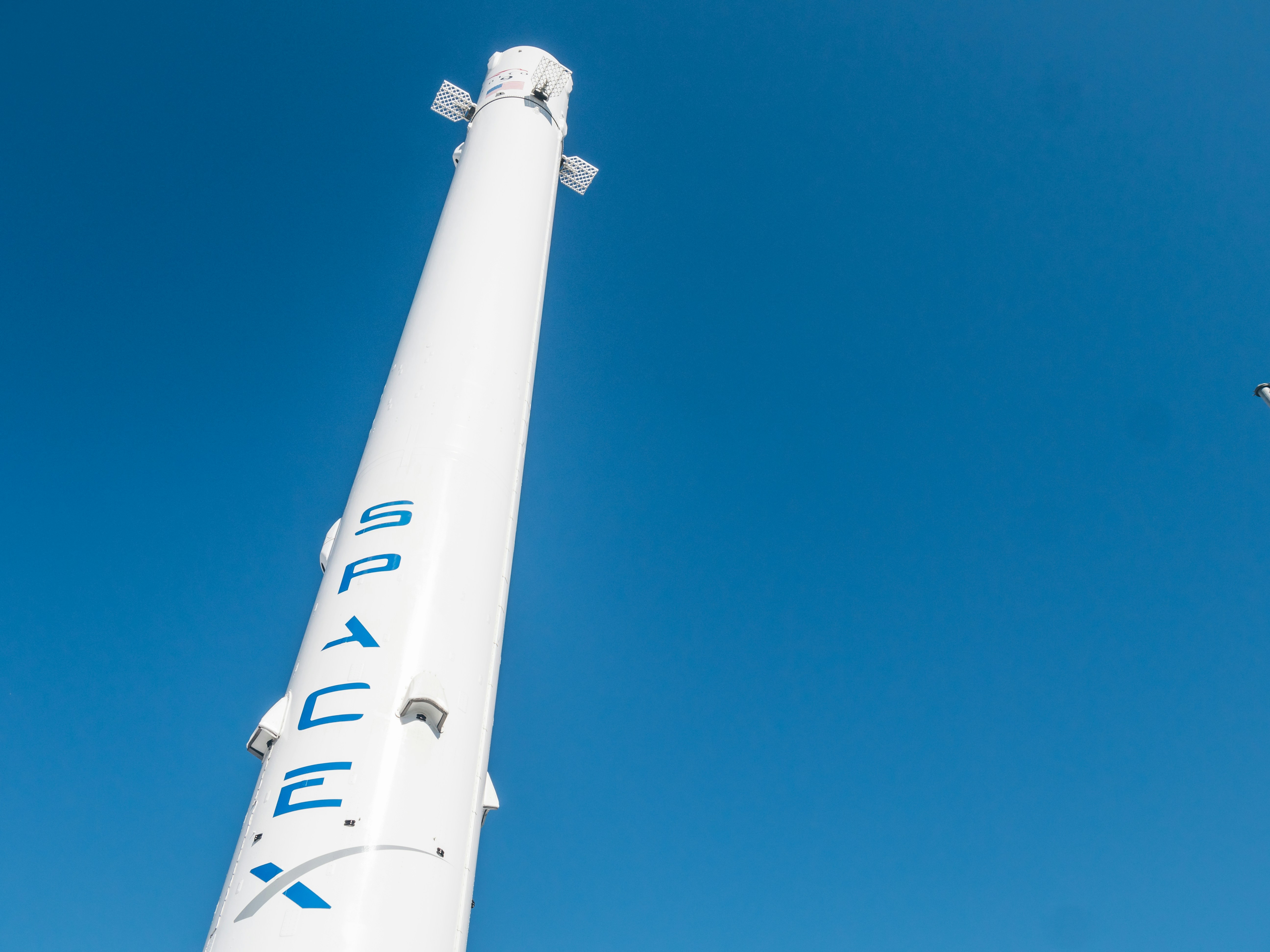
The rocket utilized for this ambitious endeavor is the Falcon 9, a reusable launch vehicle renowned for its reliability and cost-efficiency. The Falcon 9’s innovative design incorporates engines that are designed to be recovered and refurbished, a feature that significantly lowers the costs associated with space travel. This reusability aspect is a cornerstone of Musk’s vision, as it aligns with the broader scope of making space exploration more accessible and economically viable.
The launch took place at the SpaceX facility located at Cape Canaveral in Florida, a site historically rich in spaceflight achievements. This location has been instrumental in numerous significant launches and serves as a testament to the monumental progress NASA and private companies have made in recent years. The choice of Cape Canaveral underscores the partnership between SpaceX and various governmental and commercial entities committed to pushing the boundaries of human exploration.
Elon Musk’s broader ambitions encompass plans for crewed missions to Mars and beyond. The successful execution of today’s launch not only fortifies SpaceX’s position in the space industry but also lays the groundwork for potential manned missions to other celestial bodies. As we look beyond the immediate implications of today’s event, it becomes evident that this rocket launch is a step towards a future where human life may extend beyond our planet, fulfilling long-held aspirations in space exploration.
Technical Aspects of the Rocket
The rocket launched today represents a significant advancement in space exploration technology, showcasing a blend of innovative design and sophisticated engineering. One of the most exciting features of this rocket is its modular structure, which allows for enhanced adaptability during missions. This modular approach not only facilitates the integration of various components but also enables rapid reconfiguration for different payload types, effectively optimizing operational efficiency.
In terms of propulsion, the rocket is equipped with advanced rocket engines that utilize a combination of liquid oxygen and refined kerosene. This type of propulsion system ensures reliability and efficiency during ascent, ultimately contributing to the vehicle’s overall performance. The engines are designed to provide a high thrust-to-weight ratio, which is essential for lifting substantial payloads into orbit. During this launch, the rocket is expected to deliver a weight capacity of approximately 20 tons to low Earth orbit, a noteworthy achievement that positions it among the leading vehicles in the current space industry.
The flight path of the rocket has been meticulously planned, taking into consideration both safety and mission objectives. The trajectory is engineered to minimize atmospheric drag and optimize fuel usage, which is crucial for maximizing the rocket’s reach. It utilizes an innovative guidance system equipped with real-time data analysis capabilities that allow for precise navigation during flight. This system is essential to ensure that the rocket adheres to the designated path, ultimately leading to a successful orbital insertion.
Throughout its journey, the rocket will use environmentally sustainable fuels, aligning with modern standards of eco-friendliness in aerospace technology. These factors combined underscore the mission’s technological prowess and its potential to redefine future missions in space exploration.
Key Moments and Milestones During the Launch
The recent rocket launch orchestrated by Elon Musk’s aerospace company marks a significant step forward in contemporary space exploration. The event was characterized by pivotal moments that not only underscored technical prowess but also ignited enthusiasm among space enthusiasts and stakeholders alike. The launch sequence commenced with a meticulously planned countdown, encompassing a series of checks and confirmations that ensured all systems were functioning optimally.
As the countdown reached zero, the ignition of the rocket’s engines signified a moment of collective anticipation. It represented the culmination of years of research, testing, and development. The ignition was followed immediately by liftoff, an exhilarating experience that showcased the power of modern engineering. The ascent into the atmosphere was marked by various milestones, including the critical engine burn stages essential for achieving the desired trajectory.
One of the most noteworthy moments during the flight was the successful landing of the booster stages back on Earth after separation. This remarkable feat demonstrates advancements in reusable rocket technology, aligning with Musk’s vision of making space travel more cost-effective and sustainable. Each booster landing was met with resounding applause from mission control, reflecting the teamwork and dedication that went into this ambitious project.
The ascent also featured real-time updates from mission control, where engineers and experts monitored the rocket’s progress, responding to any unforeseen challenges with precision and expertise. Their reactions during key moments conveyed the tension and excitement typical of such monumental undertakings. Various stakeholders, including scientists, industry leaders, and government officials, observed these developments closely, emphasizing the broader implications of the launch for future space missions.
Overall, the key moments of this rocket launch illustrate not only the technological innovations achieved but also the collective human effort driving us into a new era of space exploration, inspiring future generations.
Implications for Future Space Travel and Exploration
The recent rocket launch by Elon Musk marks a significant milestone in the realm of space travel and exploration. This event not only demonstrates the capabilities of contemporary space technology but also highlights Musk’s broader vision for interplanetary travel. As the founder of SpaceX, Musk has long proposed ambitious plans that include missions to Mars and beyond, paving the way for a new era of exploration beyond Earth’s atmosphere.
Musk’s endeavor signifies a shift towards increased collaboration between private enterprises and governmental space agencies. Such partnerships are essential to leverage resources, expertise, and facilities that could ultimately enhance human capabilities in space exploration. For instance, NASA has already expressed interest in utilizing SpaceX’s technology for lunar missions, which could lead to significant advancements in our understanding of the solar system. This cooperative approach may result in a streamlined pathway for future space missions, promoting a more unified effort toward collective human aspirations of space colonization.
Moreover, today’s launch has the potential to inspire public interest and scientific inquiry into space endeavors. The visible success of private enterprises like SpaceX can invigorate funding and investment within the sector, encouraging both private patrons and governmental bodies to prioritize capital allocation for space exploration projects. This renewed confidence could foster innovation, leading to more sophisticated technologies regarding propulsion systems, life support, and sustainable resource utilization in extraterrestrial environments.
The excitement generated by Musk’s rocket launch may also lead to increased awareness and involvement from academic institutions and research organizations. As public sentiment shifts in favor of exploration, the dialogue surrounding interplanetary missions may become more critical, ultimately shaping policies that encourage sustainable and responsible approaches to future space travel. As these developments unfold, it will be crucial to monitor their impact on our collective journey to the stars.