
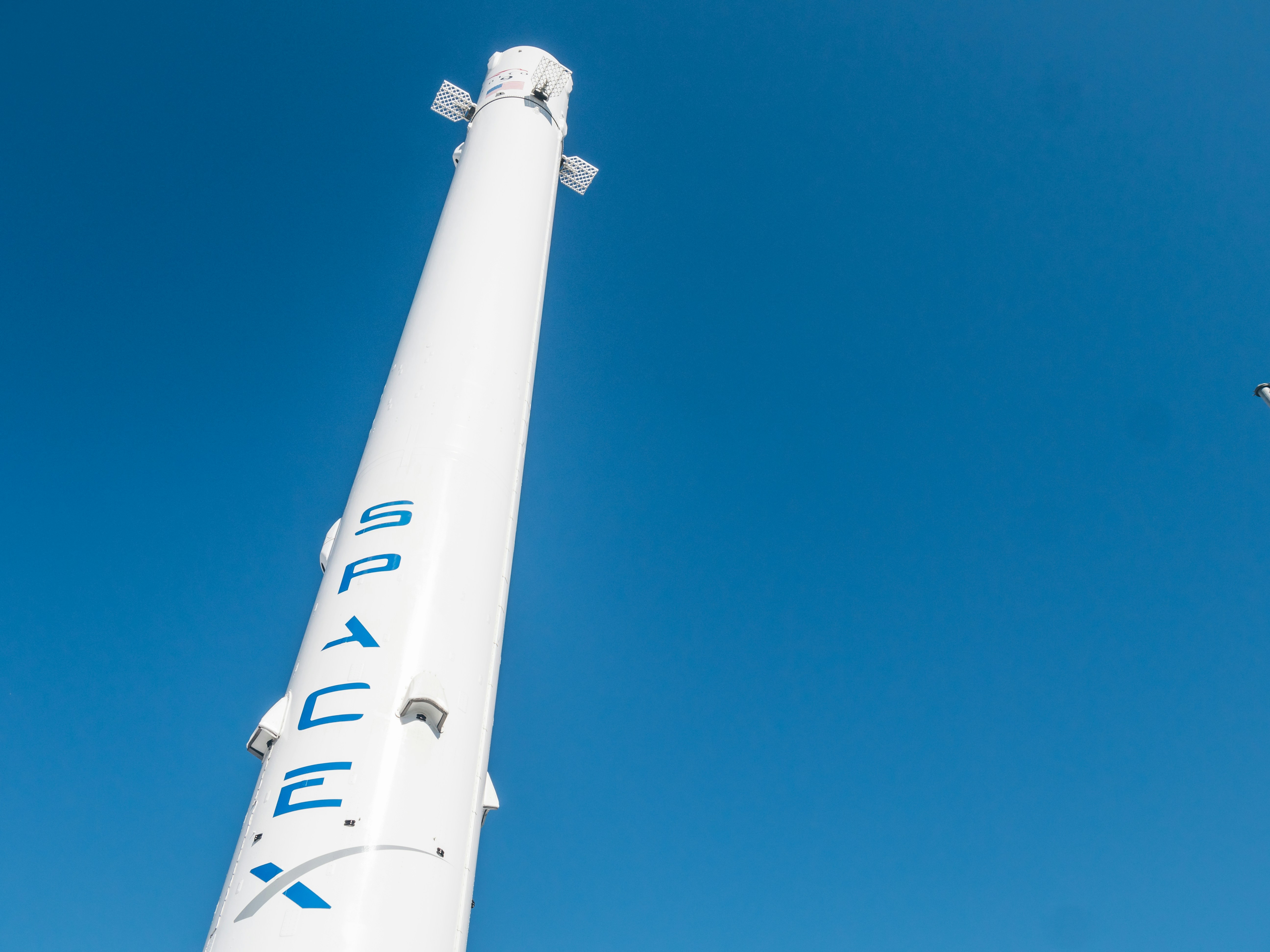
Overview of Today’s Launch
Today marks another significant milestone in the realm of space exploration with the scheduled launch of a SpaceX rocket. This event is set to take place at 15:30 UTC, allowing enthusiasts and experts worldwide to tune in for live coverage. The launch will occur at the Kennedy Space Center in Florida, a historic site known for its role in numerous high-profile space missions.
The rocket model selected for today’s launch is the Falcon 9, a reusable launch vehicle that has undergone several design iterations to enhance reliability and efficiency. The Falcon 9 has become synonymous with SpaceX’s endeavors, featuring a two-stage configuration that allows it to carry a variety of payloads ranging from satellite deployments to cargo missions for the International Space Station (ISS).
Today’s mission objectives include delivering a batch of 60 Starlink satellites to orbit, a continuation of SpaceX’s initiative to provide global broadband internet coverage. This project aims to bridge the digital divide by offering high-speed internet services to underserved regions around the globe. The commitment to enhancing global connectivity has been a core strategy for SpaceX, reinforcing its leading position in the aerospace sector.
Historically, the Falcon 9 rocket has achieved several notable milestones. Since its inaugural flight in June 2010, it has executed over 100 successful launches, showcasing its reliability and adaptability. The design of the Falcon 9 has continually evolved, incorporating advancements in materials and engineering processes, which have drastically cut costs for space access. Today’s launch contributes to the extensive legacy of this pioneering vehicle and SpaceX’s vision for the future of space travel.
Launch Preparations and Countdowns
The countdown to a SpaceX rocket launch is a meticulously planned sequence of events that ensures every aspect of the mission is executed flawlessly. This preparation begins many hours in advance of the scheduled liftoff, with a series of critical activities that must be completed to guarantee optimal performance of the rocket and its payload. Key components of these preparations include fueling, technical checks, and extensive coordination among various teams.
In the hours leading up to the launch, the rocket is transported to the launch pad and then subjected to a variety of thorough inspections and tests. Engineers work diligently to verify systems and subsystems, ensuring that all components are functioning correctly. This is crucial as even minor discrepancies can lead to significant setbacks or compromise the success of the mission. The ground team plays an essential role in monitoring the rocket’s health and evaluating telemetry data to assess performance reliability.
As the countdown clock ticks down, fueling operations commence. This process involves the careful loading of propellant into the rocket’s engines, a task that demands precision and safety due to the volatile nature of the materials used. While fueling is often one of the final stages, it requires significant coordination and timing, with various safety protocols in place to protect both the team and the equipment.
The final countdown phase is a complex orchestration of communication between the ground team, flight controllers, and engineers. Each team member has a designated role, from checking the rocket’s systems to confirming weather conditions, all designed to ensure a seamless transition from countdown to liftoff. This collaborative effort exemplifies the importance of teamwork at SpaceX, ensuring that all systems are “go” for a successful launch.
What to Expect During the Launch
As the much-anticipated SpaceX rocket launch approaches, spectators can expect a captivating demonstration of aerospace engineering and innovation. The event typically commences with a countdown sequence, during which mission control oversees systems checks and final preparations. When the countdown reaches zero, viewers will witness a breathtaking liftoff as the rocket propels into the skies, fueled by its powerful engines.
Following liftoff, the rocket will ascend vertically, reaching its optimal altitude before executing crucial stages of separation. These stages are pivotal moments in the launch; they involve detaching the first stage booster, which will fall back to Earth for a controlled landing, significantly enhancing mission efficiency. Spectators can anticipate the spectacle of the first stage returning to the launch site or a drone ship, a feat that SpaceX has mastered through its reusability agenda.
During the flight, the rocket will follow a carefully plotted trajectory to ensure accurate payload delivery into orbit. Viewers may notice innovative maneuvers such as a gravity turn, which allows the spacecraft to adjust its path efficiently. Each of these maneuvers highlights SpaceX’s commitment to refining rocket launch strategies, showcasing advancements in technology that promote cost-effective space exploration.
To experience the launch fully, potential viewers should consider various options for attending. Those who wish to watch in person are advised to arrive early at designated viewing areas and check for any safety protocols. For those opting for remote viewing, SpaceX usually provides live streaming on their official website as well as various social media platforms, allowing a global audience to witness these extraordinary events in real time. By following these preparations, viewers can enjoy a front-row seat to an inspiring display of modern aerospace technology.
Post-Launch Updates and Significance
The recent SpaceX rocket launch marks a significant milestone in the ongoing journey of space exploration and commercial spaceflight. Following the successful launch, attention turns to the implications of this event not only for SpaceX but also for the broader aerospace industry. SpaceX has consistently aimed to reduce the cost of access to space, and this launch reinforces its commitment to innovation and sustainability in rocket technology.
One of the immediate next steps for SpaceX post-launch involves the assessment of the mission’s outcomes and gathering performance data from the payloads deployed. This data is essential for refining future missions, which include not only return missions to the International Space Station (ISS) but also increasingly ambitious projects such as deep space exploration and interplanetary travel. The launch outcome is expected to provide insights that will influence future designs and operational protocols.
In line with its long-term goals, SpaceX has been actively working on satellite deployments as part of its Starlink program, designed to provide global internet coverage. This launch is expected to play a crucial role in expanding the Starlink constellation, thereby impacting global connectivity and technological advancement. Furthermore, this achievement enhances SpaceX’s role in the growing commercialization of space, paving the way for potential partnerships and collaborations across the industry.
As for external stakeholders and industry observers, continuous updates can be followed through SpaceX’s official channels and various aerospace news platforms. These sources will provide real-time data, including telemetry analytics, and insights on the mission’s success metrics. In summary, the recent launch stands as a testament to SpaceX’s ongoing evolution in the space sector while significantly shaping the future of space exploration and satellite technology.